Important Lawful Situations That Require Assistance From a Landlord Lawyer
Landlords commonly come across complicated lawful situations that necessitate the competence of a property manager attorney. Concerns such as eviction procedures, lease conflicts, and lessee discrimination insurance claims can develop suddenly. Maneuvering with these issues requires an extensive understanding of the legislation and thorough paperwork. Without correct legal support, proprietors might locate themselves at a considerable negative aspect. Recognizing these vital circumstances can help proprietors secure their passions and guarantee conformity with legal needs. What challenges might they encounter next?
Comprehending Eviction Procedures and Lawful Grounds
When proprietors seek to restore possession of their rental homes, understanding the expulsion procedure and the legal premises for doing so is essential. Expulsion generally begins with a legal notice, which differs by territory and defines the reason for expulsion, such as non-payment of rent or lease violations. Following the notification duration, property managers should file an eviction suit if the occupant stops working to abandon. It is vital for property managers to existing compelling evidence in court, consisting of lease agreements and communication documents. Familiarity with local legislations is essential, as inappropriate procedures can lead to hold-ups or termination of the situation. Involving a landlord lawyer can supply guidance through this complicated procedure, ensuring conformity with all legal needs and shielding landlord civil liberties.
Navigating Lease Arrangement Disputes
Lease agreement disagreements are an usual challenge encountered by property owners and lessees alike. Comprehending the kinds of disagreements, reliable arrangement strategies, and the lawful civil liberties included is necessary for dealing with these issues. This area will discover these key factors to provide clearness and support.
Typical Lease Disputes
How can proprietors and tenants successfully navigate the complexities of lease disputes? Usual lease disputes typically develop from misconceptions or arguments over terms detailed in the lease agreement. Problems might include late rental fee repayments, residential or commercial property maintenance obligations, and unapproved modifications to the rental. Furthermore, disagreements can stem from down payment reductions, lease infractions, or arguments concerning termination notices. Reliable interaction remains necessary for addressing these conflicts prior to they intensify. Landlords and occupants must document all communications and preserve duplicates of communication pertaining to lease contracts. Looking for legal advice can also offer clearness on rights and obligations, making certain both parties comprehend the terms of their lease. Inevitably, positive procedures can assist reduce conflicts and cultivate a positive landlord-tenant partnership.
Settlement Methods Explained
Navigating lease contract disputes requires reliable negotiation approaches to resolve problems agreeably. Landlords and lessees should prepare by clearly recognizing their positions and the specifics of the lease. Active listening is important; recognizing the various other event's worries promotes an atmosphere helpful to resolution. Using compromises can promote agreements, such as flexible settlement strategies or modifications to lease terms. Establishing clear communication networks and establishing a timeline for conversations can also enhance the settlement procedure. Utilizing unbiased standards, such as market prices or legal criteria, assists both events find usual ground. When required, involving a neutral 3rd party, like a conciliator, can provide added support within an equitable option, guaranteeing that both sides really feel listened to and valued.
Legal Rights Summary
Understanding legal civil liberties is vital for both proprietors and renters navigating lease arrangement disagreements, as these rights determine the framework within which disputes can be fixed. Landlords have the right to obtain lease payments in a timely manner, enforce lease terms, and maintain residential property standards. Conversely, occupants deserve to a habitable living environment, personal privacy, and defense from unfair expulsion. When disputes occur, it is vital for both celebrations to describe the lease arrangement, as it frequently outlines specific civil liberties and responsibilities. If disagreements escalate, mediation or legal action might be necessary. Seeking support from a property owner lawyer can offer clearness on commitments and legal rights, assisting to browse intricate scenarios properly and making certain compliance with local housing legislations.
Taking Care Of Down Payment Disputes
When a lessee leaves a rental residential or commercial property, disagreements over the safety and security down payment can usually emerge, producing stress in between landlords and tenants. These conflicts generally include disputes about the total up to be returned or reductions for damages. Landlords need to stick to state regulations relating to down payment, which typically determine the timeframe and conditions under which deductions can be made. Clear paperwork, consisting of move-out and move-in inspection records, can assist confirm claims. Engaging a property owner lawyer can give beneficial assistance in resolving these disagreements, guaranteeing conformity with lawful responsibilities and optimizing the possibilities of a desirable resolution. Proper lawful assistance can additionally help minimize prospective lawsuits prices and foster far better communication between celebrations.
Handling Habitability Concerns and Upkeep Claims
In addressing habitability concerns, property owners have to comprehend the legal criteria that define acceptable living problems. Appropriately managing fixing demands is essential, as it can avoid disagreements and guarantee occupant contentment. In addition, tenants have lawful remedies available to them if their rights are broken, emphasizing the value of conformity for property managers.
Recognizing Habitability Criteria
Just how do habitability criteria influence the duties of property owners? These criteria establish the minimal problems a rental home have to fulfill to assure lessee security and comfort. They incorporate essential elements such as adequate home heating, pipes, electrical systems, and structural integrity. Landlords are legitimately bound to maintain these criteria, ensuring that the home is not only comfortable however additionally compliant with neighborhood real estate codes. Failing to fulfill habitability requirements can cause considerable legal repercussions, consisting of suits and potential economic obligations. In addition, comprehending these requirements is important site vital for property owners to properly manage their properties and reply to occupant issues. By sticking to habitability requirements, property managers can cultivate positive tenant relationships and lessen disputes connected to maintenance insurance claims.
Handling Repair Service Requests
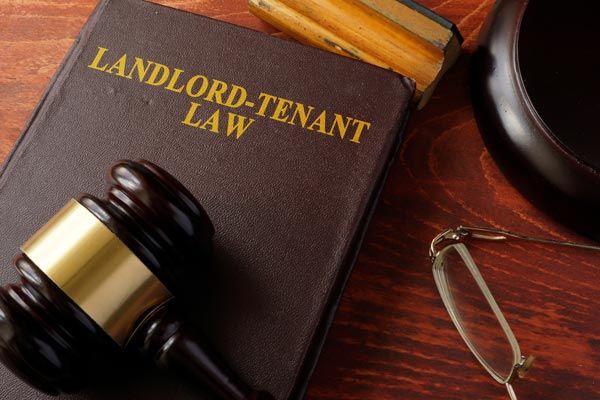

Dealing with repair service demands without delay is vital for property managers to keep habitability standards and assure lessee satisfaction. Failure to respond effectively can result in a wear and tear of home conditions and increased lessee issues. Landlords must develop clear interaction networks for renters to report maintenance problems, making certain that demands are documented and attended to in a prompt manner. Routine residential or commercial property examinations can additionally assist identify potential concerns before they intensify into bigger problems. Understanding neighborhood laws regarding fixing obligations is crucial, as these policies dictate the landlord's obligations. In instances of significant fixings, property owners might take advantage of seeking advice from a property owner attorney to navigate lawful implications and assurance compliance with appropriate real estate codes. Trigger action fosters positive landlord-tenant connections and reduces lawful disputes.
Legal Remedies for Renters

When property managers stop working to satisfy repair service responsibilities, renters have numerous legal treatments offered to resolve habitability problems and maintenance insurance claims. One reliable treatment is the right to withhold lease until essential repairs are made, supplied lessees follow regional laws. They might also go after a lease reduction for diminished living conditions. One more option entails filing a problem with regional real estate authorities, which can trigger examinations and potential citations against the property owner. Lessees have the right to subtract and repair, permitting them to make required fixings and deduct the costs from their lease. In severe cases, lessees may think about pursuing legal action for violation of the lease agreement, seeking damages or discontinuation of the lease (Landlord Attorney). Legal advise can direct tenants with these procedures efficiently
Taking Care Of Lessee Discrimination Claims
Various proprietors encounter the intricacies of taking care of lessee discrimination cases, which can noticeably influence their rental operations. Discrimination claims frequently occur from allegations based on race, gender, impairment, or other secured features. Such cases can bring about legal disputes, economic obligations, and reputational damages if not resolved promptly and appropriately. Landlords must assure conformity with federal, state, and neighborhood reasonable real estate laws to mitigate risks. Engaging a property owner attorney can provide important assistance in steering via these insurance claims, consisting of examining proof, reacting to complaints, and standing for the property manager in court if necessary - San Francisco Landlord Attorney. An attorney's experience is invaluable in establishing efficient plans, training personnel, and developing a comprehensive and fair rental setting, eventually safeguarding the property owner's interests and advertising equitable real estate techniques
Responding to Rent Control and Lease Increase Regulations
As property owners steer with the complexities of lease control and lease increase laws, they have to continue to be watchful to assure compliance while shielding their financial passions. Comprehending regional laws is crucial, as guidelines can noticeably vary by territory. Landlords must preserve precise documents of rental rates, lessee arrangements, and any correspondence pertaining to rent out boosts. Engaging with a proprietor attorney can give important guidance in translating these regulations, guaranteeing that any type of proposed rental fee increases align with lawful needs. Additionally, landlords need to interact transparently with tenants regarding modifications and abide by any kind of required notice durations. Failing to comply with rent control guidelines can result in penalties, making expert legal support important in steering these obstacles effectively and maintaining a steady rental organization.
Preparing for Court and Legal Proceedings
Maneuvering through the court system can be intimidating for landlords, thorough preparation is vital for an effective end result. Landlords must gather all relevant records, consisting of lease agreements, settlement documents, and communication with occupants. This documentation offers as vital evidence in court. Furthermore, landlords should acquaint themselves with neighborhood legislations and policies that relate to their instance, as this expertise can substantially affect their lawful method. Consulting with a proprietor lawyer can supply very useful insights and aid simplify the preparation procedure. Practicing court presentations and preparing for prospective questions from the judge can also boost a proprietor's confidence. Inevitably, correct prep work equips landlords with the devices required to support for their legal rights properly in legal procedures.
Frequently Asked Questions
Exactly How Much Does Employing a Landlord Attorney Commonly Price?
Hiring a proprietor lawyer commonly costs in between $150 to $500 per hour, relying on the attorney's experience and location. Some may likewise supply flat fees for certain services, which can vary substantially based on intricacy.
Can I Stand For Myself in Landlord-Tenant Disputes?
Yes, people can represent themselves in landlord-tenant disputes. Steven Adair MacDonald & Partners PC. Maneuvering through lawful intricacies without specialist support might lead to unfavorable results, making it a good idea to seek support from a seasoned lawyer for better outcomes.

What Qualifications Should I Search for in a Landlord Attorney?
When picking a landlord lawyer, one must focus on qualifications such as bar association membership, specialization in landlord-tenant legislation, relevant experience, positive client reviews, and a tried and tested record in efficiently managing similar disputes.
How much time Does the Expulsion Refine Usually Take?
The expulsion procedure generally takes anywhere from a couple of weeks to several months, depending upon local legislations, court routines, and whether the lessee competitions the eviction, which can prolong the timeline significantly.
What Are the Typical Mistakes Landlords Make in Lawful Scenarios?
Common mistakes property managers make in legal circumstances consist of failing to comprehend neighborhood laws, ignoring correct documents, miscommunication with tenants, neglecting lease terms, and not looking for specialist lawful suggestions when disagreements occur, causing pricey effects. (Landlord Attorney)
Comprehending lawful rights is necessary for both occupants and landlords navigating lease contract disputes, as these rights dictate the structure within which conflicts can be dealt with. Engaging a landlord lawyer can provide important guidance in resolving these disagreements, making certain conformity with legal obligations and maximizing the possibilities of a beneficial resolution. In situations of substantial fixings, landlords might profit from speaking with a property manager attorney to navigate lawful effects and guarantee compliance with appropriate housing codes. When proprietors fall short to fulfill repair service responsibilities, tenants have a number of legal treatments available to attend to habitability issues and upkeep cases. Engaging a proprietor attorney can give important guidance in steering via these cases, including reviewing evidence, reacting to problems, and representing the landlord in court if necessary.